
Here is a fact that surprises many homeowners. Houses in wildfire country often do not burn because a wall of flame rolled across the lawn. They burn because a tiny glowing ember floated in on the wind, landed somewhere cozy, and got to work. That cozy spot might be a pile of dry leaves in the gutter, a bark mulch bed against the siding, or an open attic vent. Wildfire home hardening in Oregon is the practice of removing those welcome mats, one small upgrade at a time, until embers have nowhere to settle.
Think in Zones
The Oregon State Fire Marshal’s defensible space guidance begins with a memorable idea, which is that protecting your property starts with the first five feet. It then breaks the area around a home into zones, each with its own to-do list. The home itself comes first, followed by the zone from zero to five feet, the zone from five to thirty feet, and an extended zone reaching out to a hundred feet and beyond.
Thinking in zones turns an overwhelming project into a series of manageable weekends. Nobody has to transform their entire property at once. You simply begin at the house and work outward.
Harden the House Itself
According to the Fire Marshal’s guidance, the structure should be sealed against embers. That means covering attic and crawl space vents with one-eighth-inch metal mesh, which keeps embers out while still letting the house breathe. It means keeping roofs and gutters clear of debris, choosing noncombustible gutter covers, and replacing loose or missing shingles that leave gaps for embers to slip beneath.
During an inspection, these are the kinds of details that stand out. A torn vent screen, a gutter packed with needles, a gap beneath a roofing edge, or a wood fence connected directly to the siding all tell a story about how a home would fare during an ember storm. Your inspector can point them out during the visit so you leave with a practical punch list rather than a vague sense of risk.
The Five-Foot Rule
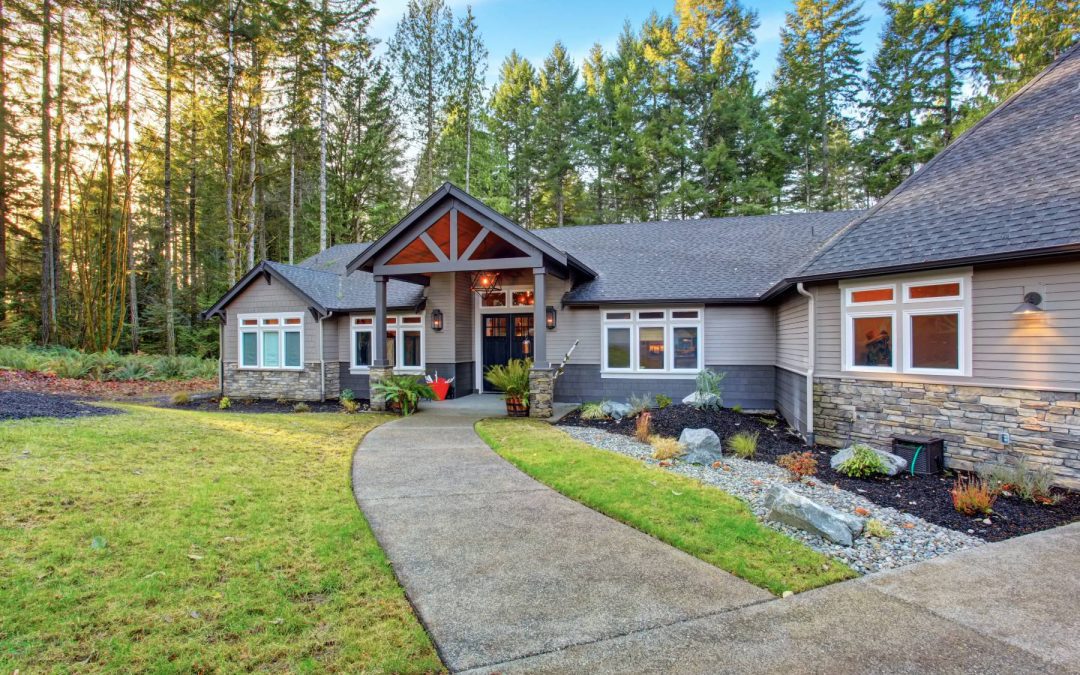
The zone closest to the house gets the strictest rules because it is where embers do the most damage. The state guidance suggests using gravel, river rock, or pavers in place of bark mulch, removing flammable plants such as junipers, keeping metal gates near the house, and clearing debris from under decks and patios.
That advice can feel strange if you love a lush foundation planting bed. But a bed of rock can still look gorgeous, and a few well-chosen containers on a paved patio can add color without feeding a fire. Many homeowners find that the five-foot zone becomes their favorite part of the yard once the clutter is gone.
The Middle Zone
From five to thirty feet, the goal is to reduce the fuel a fire could use to travel toward the house. The Fire Marshal recommends mowing grass to under four inches, spacing tree crowns at least ten feet apart, pruning branches up to six feet from the ground, removing ladder fuels that let flames climb from the ground into trees, and keeping ten feet of clearance around propane tanks.
Each of these steps breaks the chain a wildfire needs to move. A shorter lawn burns less intensely. Tree crowns with space between them do not pass fire from one to the next. Pruned lower branches keep a ground fire from climbing into the canopy.
Why a Home Inspection Helps With Wildfire Home Hardening in Oregon
A home inspector is not a wildfire consultant, and a report is not a guarantee. What an inspection does provide is a close, trained look at the very parts of a home that matter most in an ember event, including roof condition, gutters, vents, decks, and siding. If you are buying, that information helps you plan upgrades and budget for them. If you are selling, fixing small vulnerabilities before listing can make your property more appealing to cautious buyers.
It also pairs well with the broader maintenance habits that keep any home in good shape. Clean gutters, healthy roofing, and sealed gaps protect against rain and rot just as well as they protect against embers.
Build Your Plan Gradually
Start with the cheapest and most impactful items first. Clean the gutters. Swap damaged vent screens for metal mesh. Clear the debris beneath the deck. Then tackle the five-foot zone, and move outward as time and budget allow. Wildfire home hardening in Oregon is a marathon of small wins, and every one of them makes your home harder for an ember to ruin.
Want a trained set of eyes on your roof, vents, and exterior? Schedule your inspection with Quality Check Home Inspections and start your wildfire home hardening in Oregon with a clear list of priorities.
Frequently Asked Questions
What is home hardening?
Home hardening means upgrading a house so it is more resistant to wildfire, especially to embers. Examples include screening vents with metal mesh, using noncombustible gutter covers, and sealing gaps in the roof and siding.
Why does the first five feet matter so much?
Embers land right beside the house and ignite whatever is there, such as bark mulch, dry plants, or debris. Clearing the immediate zone gives them far less to burn.
Can an inspector tell me if my house will survive a wildfire?
No. An inspection is a visual evaluation, not a prediction. It can reveal vulnerabilities such as damaged vents, debris in gutters, or roof gaps, which you can then correct as part of wildfire home hardening in Oregon.
Do I need to remove all my trees?
No. The Fire Marshal’s guidance focuses on spacing tree crowns, pruning lower branches, and removing ladder fuels, not clear-cutting your yard.
Service Area: Quality Check Home Inspections proudly serves homebuyers and sellers throughout Oregon, from the Willamette Valley to the Oregon Coast and the communities in between.