
Nobody invites termites to dinner, yet somehow they always seem to know when the table is set. In Oregon, the table is usually wood that has gotten wet and stayed that way. A WDO inspection in Oregon, short for wood destroying organism inspection, is how a trained inspector checks the readily accessible areas of a home for existing termite damage and signs of an ongoing problem. Think of it as a background check on the quiet residents of your house.
Meet the Usual Suspects
Oregon State University Extension’s Solve Pest Problems guide to termites says the termites that damage structures in this region are mainly Pacific dampwood termites and western subterranean termites. Drywood termites are uncommon in the Pacific Northwest, which surprises people who assume every termite behaves the same way.
Dampwood termites live in moist, water-damaged wood, both eating it and nesting inside it. They tend to turn up where leaks, poor drainage, or damp crawl spaces have softened the lumber. Subterranean termites work differently. They build soil tunnels, often called mud tubes, on foundations to travel between the ground and the wood they want. Spotting one of those tubes on a foundation wall is the sort of detail a trained eye catches in seconds and an untrained one walks right past.
What Happens During a WDO Inspection in Oregon
Your inspector walks the accessible areas of the property with a specific question in mind: is there evidence that wood destroying organisms are active here, or have they already done damage? That means examining the crawl space, foundation perimeter, attic access, garage, deck connections, and anywhere else wood meets moisture. The inspector looks for mud tubes, damaged or hollow sounding wood, small mounds of droppings called frass, discarded wings, and conditions that invite trouble.
The process is non-invasive, so the inspector does not tear into walls or pull up flooring. If something suspicious turns up in an area that cannot be reached, the report says so. That honesty is a feature, not a flaw. A clear record of what was and was not visible helps you decide whether a follow-up specialist makes sense.
Termites, Carpenter Ants, and the Big Mix-Up
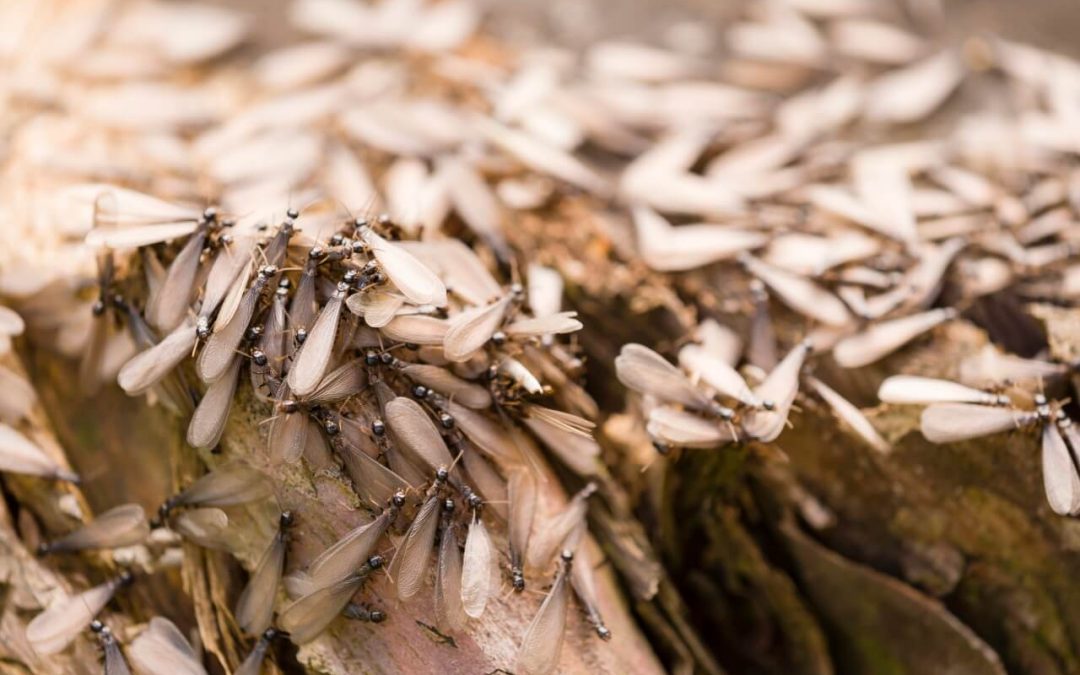
Carpenter ants and termites love to be mistaken for each other, and homeowners regularly guess wrong. Oregon State University notes that these look-alikes require different controls, which is a good reason to let a professional identify what is actually living in the wood. Carpenter ants chew galleries to nest in wood rather than eating it, and sawdust-like piles near a wall or beam can point toward them. Termites leave different clues, including soil tunnels, droppings, and the swarms that tend to appear in late summer or fall for dampwood termites.
Seeing a swarm can feel like a horror movie, but the same OSU resource explains that flying termites are not a cause for alarm on their own. What matters is whether the insects are coming from a nest inside or near your home, and that is a question a WDO inspection in Oregon is built to help answer.
The Real Villain Is Moisture
If there is one theme running through the OSU guidance, it is that moisture is central to termite control. Treatments will not solve dampwood or subterranean problems unless the moisture sources are removed and damaged wood is repaired. Leaky gutters, a downspout that dumps beside the foundation, a bathroom with no exhaust fan, and a crawl space with poor ventilation can all keep wood damp enough to tempt wood destroying organisms.
That is why a good inspection report reads like a map of water problems as much as a bug report. Fixing a downspout is far cheaper than repairing a sill plate, and catching the dampness early helps you do it on your terms.
Reading Your Report and Taking the Next Step
A WDO report lays out what the inspector saw, where they saw it, and which areas could not be evaluated. If active evidence turns up, Oregon State University recommends hiring a licensed pest control company for dampwood and subterranean termites. The inspection tells you whether you need that call. It does not replace it. For buyers, the report is a negotiating tool during the inspection period. For sellers, it can prove the house is in good shape or reveal an issue to address before listing.
Ready to find out who lives in your woodwork? Schedule a WDO inspection in Oregon with Quality Check Home Inspections and we will give you a clear, photo-supported answer.
Frequently Asked Questions
What does WDO stand for?
WDO stands for wood destroying organism. The term covers termites and other pests or conditions that damage wood, and the inspection focuses on existing damage and signs of an ongoing problem in readily accessible areas.
Do Oregon homes really get termites?
Yes. Oregon State University Extension identifies Pacific dampwood termites and western subterranean termites as the species that damage structures here. Moist, water-damaged wood is where they tend to cause the most trouble.
How do I tell termites from carpenter ants?
They can look similar, but they behave differently and need different controls. Soil tunnels on foundations and droppings point toward termites, while sawdust-like debris near a wall can suggest carpenter ants. A professional can confirm which one you are dealing with.
Should I order a WDO inspection in Oregon if I see no bugs?
Yes. Many problems stay hidden behind finished surfaces or inside crawl spaces for years. A WDO inspection in Oregon looks for the subtle evidence that homeowners rarely notice, including damaged wood and moisture conditions that invite pests.
Service Area: Quality Check Home Inspections proudly serves homebuyers and sellers throughout Oregon, from the Willamette Valley to the Oregon Coast and the communities in between.