
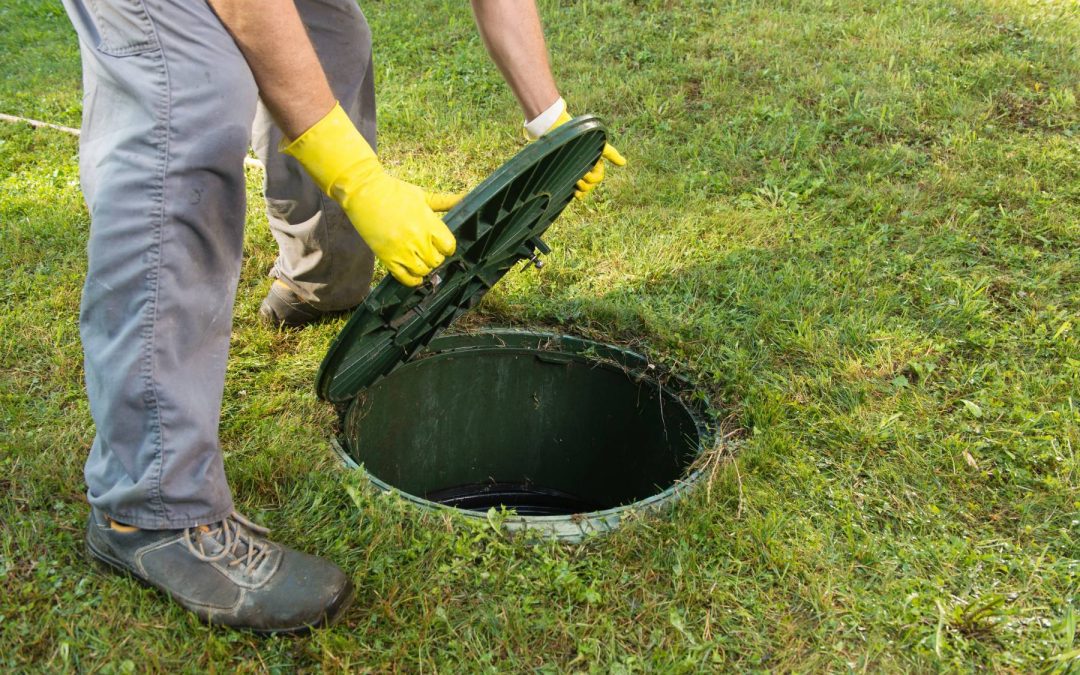
Every old house has a few stories, and some of them are buried. Before natural gas and electric heat took over, many Oregon homes were warmed by oil furnaces fed from a tank that sat in the basement or, more mysteriously, underground in the yard. When the home converted to a different fuel, the tank did not always go away. Sometimes it was cleaned and removed. Sometimes it was simply forgotten. Buried heating oil tanks in Oregon are one of those delightful surprises that can turn up under a vintage property and cause a very expensive afternoon.
Why These Tanks Still Matter
A forgotten tank is not just a quirky piece of history. Steel tanks age, and an old tank that was abandoned in place can corrode over time and leak oil into the soil. That is a problem for the property, for the neighbors, and for whoever owns the land when someone finally finds out.
Oregon takes the subject seriously. The Department of Environmental Quality runs a Heating Oil Tank program, and its homeowner resources explain that the current program began in March 2000. Under it, licensed service providers certify cleanups and decommissionings, and DEQ registers that certification. The agency notes that this combination is equivalent to the “No Further Action” letter it used to issue.
How to Spot the Clues
Finding out whether a house has a buried tank can feel like detective work. Several clues tend to show up. A vent pipe or fill pipe sticking out of the ground near the foundation is the classic sign. Copper or steel lines running through the foundation wall or floor toward the yard can hint at an old fuel line. An oil furnace or an old burner that was replaced by a modern system, or a patch of newer concrete in an otherwise old basement floor, can tell a similar story. Older houses in established neighborhoods are the most likely to have a tank in their past.
Your home inspector looks for exactly these visible clues during the inspection. That includes pipes, old equipment, and signs of conversion from oil to another heating source. It is important to understand what an inspection can and cannot do. An inspector evaluates what is readily visible and accessible, and does not dig up the yard or test the soil. If evidence points to a possible tank, the next step is to bring in a specialist.
What Buyers Should Do
If a house you love might have a tank, do not panic, and do not skip the question. Ask the seller directly whether the property ever had a heating oil tank, and whether any cleanup or decommissioning paperwork exists. Ask your agent to request documentation. If the answers are vague, a professional tank locating service can scan the property to see whether something is buried there.
The DEQ’s guidance points out that homeowners who hire out cleanup or decommissioning work must use a licensed Heating Oil Tank service provider, and that a homeowner may not act as general contractor and hire subcontractors for pieces of the job. That is a useful detail to keep in mind before accepting a seller’s offer to simply handle it.
What Sellers Should Do
If you own an older home, find out what is on your property before a buyer does. A proactive approach is far less stressful than a surprise in the middle of a sale. If you know a tank was properly decommissioned, gather the paperwork. If you suspect one is there, consider having it located. Having documentation ready can help a deal move forward instead of stalling at the worst possible moment.
Planning Ahead With Buried Heating Oil Tanks in Oregon
The key to dealing with buried heating oil tanks in Oregon is to ask early and ask clearly. Include the question in your offer process, review any seller disclosures carefully, and let your inspector know whether the home has a history of oil heat. The DEQ’s website also links to additional information for people buying or selling a home with a tank, which is worth reading before you make big decisions.
A tank is not necessarily a dealbreaker. It becomes a manageable problem when you know about it, understand the process, and budget accordingly. It becomes a nightmare when nobody mentions it until after closing.
Shopping for an older home? Schedule your inspection with Quality Check Home Inspections and let us help you look for the clues that point to buried heating oil tanks in Oregon.
Frequently Asked Questions
How do I know if my house has a buried oil tank?
Common clues include a vent or fill pipe near the foundation, old fuel lines entering the home, and evidence that the house once had an oil furnace. A professional tank locating service can confirm whether something is buried on the property.
Can a home inspector find a buried tank?
An inspector can point out visible evidence that suggests one may exist, but cannot see underground. If clues turn up, a specialist is the next call.
Who can decommission a tank in Oregon?
According to the Department of Environmental Quality, homeowners who hire out the work must use a licensed Heating Oil Tank service provider. Homeowners may do certain work themselves under specific conditions, but may not serve as general contractor for subcontracted pieces.
Is a house with a past tank hard to sell?
Not necessarily. Buried heating oil tanks in Oregon are a known issue, and a home with proper decommissioning paperwork can move through a sale smoothly.
Service Area: Quality Check Home Inspections proudly serves homebuyers and sellers throughout Oregon, from the Willamette Valley to the Oregon Coast and the communities in between.