Somewhere between buying your first house and buying a shopping center sits a very appealing middle ground. Fourplexes, small multi-family buildings, and commercial condominiums let investors and owner-occupants build income without taking on a skyscraper. They also come with more moving parts than a single family home. A small commercial property inspection in Oregon gives you a clear view of the building’s overall condition before you commit, so the numbers in your spreadsheet match the reality behind the walls.
What Counts as Small Commercial
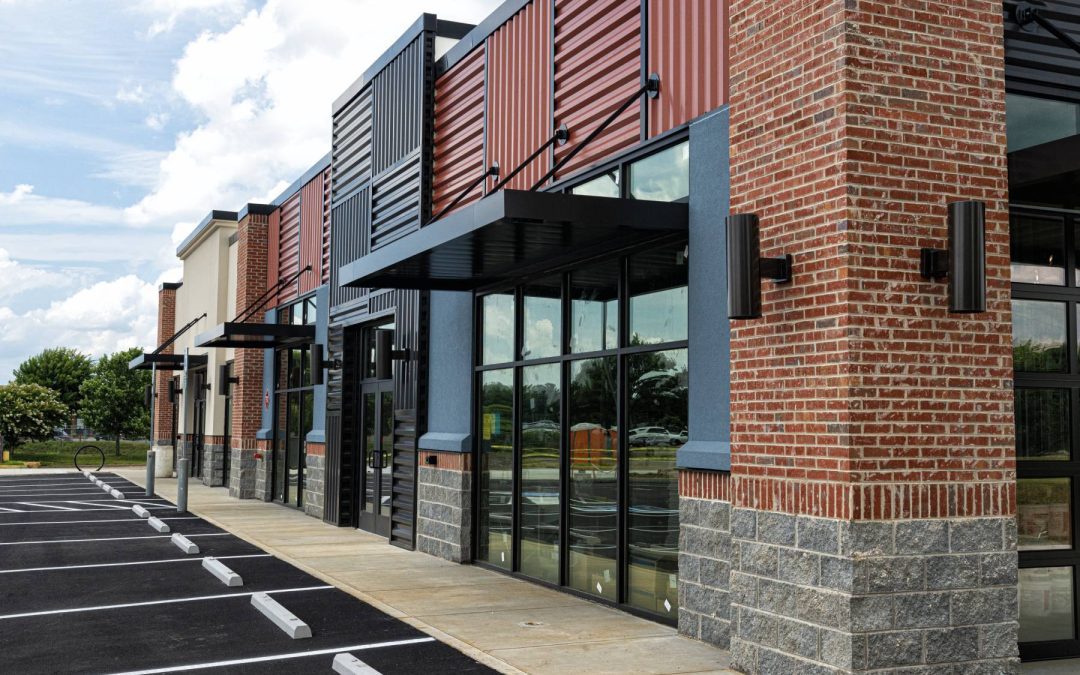
At Quality Check Home Inspections, small commercial work covers properties such as commercial condominiums and multi-family units, including fourplexes. These buildings are bigger than a typical house but smaller than a large commercial complex, and they often have several households or businesses sharing one structure and a handful of shared systems.
That shared structure is where the fun starts. One roof covers several units. One foundation supports them all. A water heater failure in one corner can send a leak into a neighbor’s ceiling. When you buy a building like this, you are not buying one home, you are buying a small ecosystem.
The Code Question Behind the Walls
Oregon classifies buildings differently depending on how the units are arranged, and those classifications shape what you should expect to find. The Oregon Building Codes Division explains in its guidance on permitting townhouses and multifamily buildings that stacked units are generally regulated as apartment buildings under the Oregon Structural Specialty Code, which typically brings requirements such as accessibility and automatic fire sprinklers. It also notes that buildings with four or more units can trigger additional fair housing definitions.
A building inspection is not a code compliance review, and an inspector does not replace a permitting official. But knowing that the rules change with the building type helps you ask better questions. If a fourplex has a sprinkler system, you will want to know it is visible, accessible, and in sound condition. If it does not, you will want to understand why.
What a Small Commercial Property Inspection in Oregon Covers
The inspection assesses the overall condition of the property. That means examining the roof, structure, foundation, exterior, plumbing, electrical systems, heating and cooling, and the common areas that every tenant touches. Because these buildings often have more than one meter, panel, or water heater, the inspector tracks which systems serve which units and notes anything that looks worn, damaged, or unsafe.
The report gives you the building’s physical story in plain language. It is the foundation for estimating repair costs, planning for capital improvements, and deciding whether the asking price makes sense. A roof near the end of its life or an aging electrical panel can change the math dramatically, and learning that before closing is far better than learning it from a tenant’s phone call.
Why Investors Should Not Skip It
Rental income only works when the building holds together. Deferred maintenance is the quiet thief of returns, and sellers do not always volunteer what they have been putting off. An inspection puts a neutral set of eyes on the property and turns hidden risk into a line item you can negotiate around.
It also helps with planning after you buy. A thorough report becomes a roadmap for the first few years of ownership, showing which repairs are urgent, which can wait, and which are simply things to keep an eye on. That kind of clarity helps you budget with confidence and avoid nasty surprises when a unit turns over.
Owner-Occupants Benefit Too
Plenty of buyers choose small multi-family buildings to live in one unit while renting the others. That strategy can make homeownership more affordable, but it also means you are personally responsible for every system in the building. A small commercial property inspection in Oregon helps you see the full picture before your name is on the deed.
Getting Started
Share the property address, the number of units, and your closing timeline when you book, and we will help you plan around it. Larger buildings take longer to inspect, so earlier scheduling gives everyone more breathing room.
Eyeing a fourplex or commercial condo? Schedule your small commercial property inspection in Oregon with Quality Check Home Inspections and buy with your eyes open.
Frequently Asked Questions
What kinds of buildings count as small commercial properties?
Quality Check Home Inspections works on properties such as commercial condominiums and multi-family units, including fourplexes. If you are unsure whether your building fits, call us and we will talk it through.
Is a commercial inspection different from a home inspection?
The goal is similar, which is to document the overall condition of the property. The difference is scale and complexity, since small commercial buildings often have multiple units, shared systems, and common areas that need to be evaluated.
Does the inspection tell me if the building meets code?
No. An inspection documents the building’s condition but does not replace a permitting or code compliance review. It does help you spot items worth asking about before you buy.
When should I book a small commercial property inspection in Oregon?
As soon as your offer is accepted and your inspection window begins. Larger properties take more time, so booking early protects your timeline.
Service Area: Quality Check Home Inspections proudly serves homebuyers and sellers throughout Oregon, from the Willamette Valley to the Oregon Coast and the communities in between.