
Home shoppers love to talk about granite counters, big windows, and a backyard with room for a fire pit. Nobody daydreams about the pipe that carries everything away. Yet that buried line is one of the most expensive parts of a house to repair, and it is the one part you cannot see by walking through the front door. A sewer scope inspection in Oregon changes that by sending a small camera on a guided tour of the line, so you learn what is down there before it becomes your problem.
Why Oregon Homes Are Good Candidates
Oregon is a tree state. Towering evergreens, maples, and old shade trees are part of why so many neighborhoods look the way they do, and their roots are always searching for water and nutrients. The same rainy climate that keeps those trees thriving also keeps the soil around buried pipes damp and shifting through much of the year. Add in older neighborhoods where the original sewer line may be clay, concrete, or cast iron, and you have a recipe for lines that have been quietly working overtime for decades.
University horticulture guidance, such as this University of Washington overview of tree roots and sewer lines, points out that roots can get into sewer lines and block them, and that the lasting fix is smart placement of lines and trees. The camera is how you find out whether that conversation is already underway beneath your lawn.
How a Sewer Scope Inspection in Oregon Works
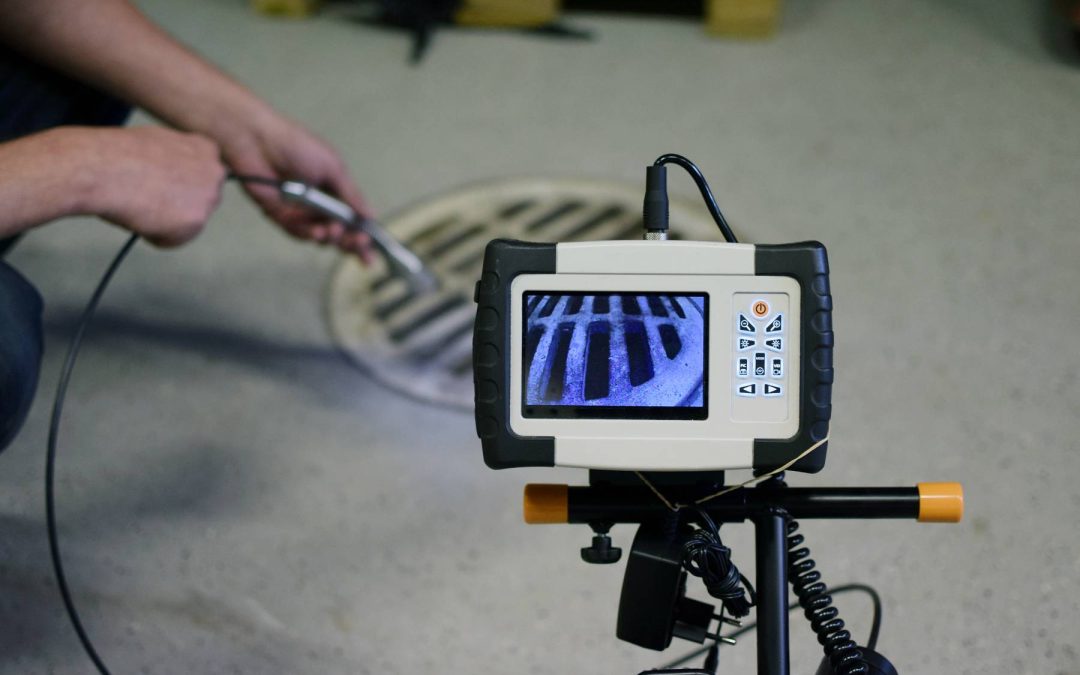
The process is refreshingly simple. Our inspector accesses the line through a cleanout, then feeds a high-definition camera along the full length of the pipe toward the street connection. As the camera travels, it records what it sees, and the inspector watches for blockages, root intrusion, cracks, and general deterioration. Nothing gets dug up. Nothing gets torn apart. You get a clear look at a part of the home that has been hidden since the day it was built.
The footage turns a vague worry into specific information. A bellied section where water collects, a joint that has separated, or a thick cluster of fine roots reaching through a seam all look very different on screen than they sound in a sentence. Seeing the problem helps you decide how serious it is.
What the Camera Tends to Find
Roots are the celebrity of the sewer line world, but they are not the only story. Cracks can develop as the ground settles or freezes and thaws. Pipe sections can shift out of alignment so waste slows down and collects. Years of buildup can narrow the passage until a single bad day causes a backup. Sometimes the camera simply finds a healthy line in good shape, and that is a result worth celebrating too, because it means you can close on the house with real peace of mind.
What to Do With the Results
A sewer scope report is a tool for making decisions. If the line looks clean, you have the confidence to move forward. If the footage shows trouble, you have options. You can ask for a sewer line evaluation by a qualified plumbing or drain professional, request repairs, negotiate a credit, or reconsider the purchase entirely. Getting that information during the inspection window means you are negotiating with facts rather than guesses.
Sellers can benefit too. Scoping the line before you list lets you handle any surprises on your own schedule, and it prevents a buyer’s scope from becoming a last minute bargaining chip.
Making a Sewer Scope Inspection in Oregon Part of Your Plan
The best time to book is alongside your regular buyer’s inspection, because the same visit can cover the house and the line that serves it. If you already own the home and have noticed slow drains, gurgling fixtures, or soggy patches in the yard, a scope is a smart diagnostic step. It is also a good idea for anyone with mature trees near the house, anyone buying an older property, and anyone planning a major landscape project.
Curious what is going on under your yard? Schedule your sewer scope inspection in Oregon with Quality Check Home Inspections and we will show you exactly what the camera sees.
Frequently Asked Questions
Does a sewer scope inspection damage my yard?
No. The camera enters through an existing cleanout or access point, so there is no digging and no disruption to your landscaping. The inspection is non-invasive and focuses on observing the line rather than altering it.
How much of the sewer line does the camera see?
The inspection covers the full length of the sewer line that the camera can travel. Along the way, the inspector looks for blockages, root intrusion, cracks, and deterioration, and you receive documentation of what was found.
Is a sewer scope the same as a regular home inspection?
They are separate services that pair well together. A standard home inspection examines the visible and accessible parts of a house, such as the roof, foundation, electrical, plumbing, and heating. A sewer scope inspection in Oregon looks at the buried line that a standard walkthrough cannot reach.
Should sellers get a sewer scope before listing?
It can be a smart move. Learning about root intrusion or a damaged section early gives you time to choose a repair professional, compare estimates, and avoid a rushed negotiation after a buyer finds the problem first.
Service Area: Quality Check Home Inspections proudly serves homebuyers and sellers throughout Oregon, from the Willamette Valley to the Oregon Coast and the communities in between.